Copilot+ PCs: What They Can and Cannot Run
GEEKOM A9 Max leads this page with an AIPC Score of 20.9, giving a local model about 16GB of usable AI memory at $1,599 for the 32GB / 2TB configuration. The cheapest tracked option here is GMKtec K8 Plus at $749.99. 26 systems on this page, 21 with a verified price.
Updated


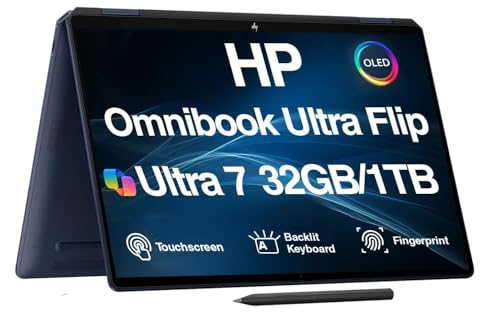


Product prices and availability are accurate as of the date/time indicated and are subject to change. Any price and availability information displayed on Amazon at the time of purchase will apply to the purchase of this product.
What Copilot+ actually certifies
Copilot+ is a Microsoft specification, and its headline requirement is a neural processor of at least 40 TOPS, alongside memory and storage minimums. It certifies that the machine can run the AI features Windows ships with. It says nothing about running a language model yourself.
The phrase AI PC covers two different machines. One is a thin-and-light with a neural processor that accelerates the AI features built into Windows, which is what Copilot+ certification measures. The other is a machine with enough fast memory to hold a language model and run it locally. A laptop can satisfy the first definition completely and still be unable to load a 32B model, so this page separates the two rather than blurring them.
What these machines do well
Live captions, translation, background effects, local semantic search and image cleanup all run on the NPU, efficiently and without touching the battery hard. That is a genuine benefit and it is the reason these machines exist.
Where they stop
These are shared-memory designs, so roughly half of system memory is available to the graphics processor. A 32GB machine therefore offers a model about 16GB, which covers a small model comfortably and a mid-sized one not at all. Anyone intending to run a 32B model should look at the unified-memory machines instead.
Usable AI memory decides what a machine can load at all, and memory bandwidth decides how fast it answers once loaded. Those two numbers matter more than the processor name on the box. A machine with a large unified pool and modest bandwidth will run a very large model slowly; a machine with a fast narrow pool will run a small model quickly and refuse a large one outright.